Procedure
What to Expect During External
Counterpulsation (ECP) Therapy
External Counterpulsation (ECP) is a noninvasive, outpatient therapy designed to improve blood flow to the heart and relieve symptoms such as angina or fatigue. Understanding the treatment process helps patients feel comfortable and confident before starting therapy.
Before Treatment
Before beginning ECP therapy, patients undergo a medical evaluation to confirm suitability for treatment. This typically includes:
- A review of medical history and cardiac conditions
- Physical examination and assessment of vital signs
- Electrocardiogram (ECG) testing to synchronize the therapy with your heartbeat
- Discussion of potential benefits, risks, and what to expect during each session
Comfortable clothing is recommended for each appointment, as the cuffs are placed directly over the legs. No anesthesia, incisions, or recovery time are required.
During the Procedure
Each ECP session is performed in an outpatient clinic or hospital setting by trained technicians. Here’s what typically happens:
- The patient lies on a padded treatment table.
- Special inflatable cuffs are wrapped around the calves, thighs, and buttocks.
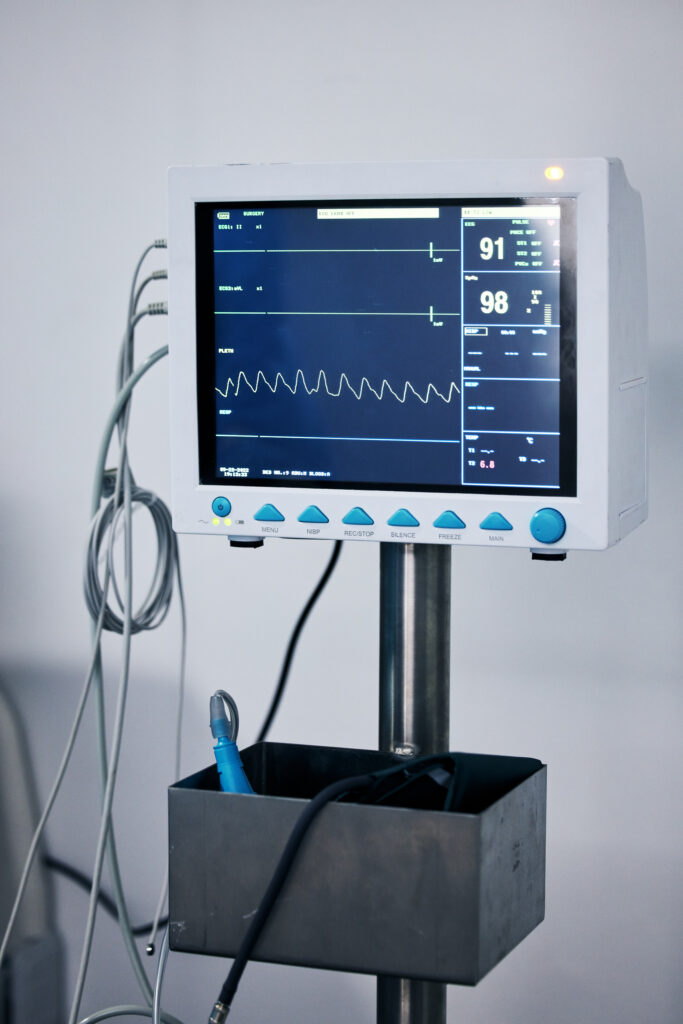
- An ECG monitor is attached to the chest to track the heartbeat in real time.
- As the heart relaxes (diastole), the cuffs inflate in a specific sequence—from the lower legs upward—to push blood toward the heart.
- Just before the heart contracts (systole), the cuffs deflate rapidly, reducing resistance in the arteries and lowering the heart’s workload.
This synchronized inflation and deflation pattern enhances blood flow through the coronary arteries and may improve oxygen delivery to the heart muscle. Many patients describe the sensation as a firm but gentle “hug” or squeezing motion around the legs.
Session Duration and Treatment Schedule
Each session typically lasts about one hour. The most common treatment plan involves:
- Frequency: 5 days per week
- Total sessions: Approximately 35 sessions
- Duration: About 7 weeks (can vary based on individual needs)
Because ECP is noninvasive, patients usually resume normal activities immediately after each session. Many read, listen to music, or nap during therapy.
After Treatment
Following the completion of a full ECP course, patients often report:
- Less frequent chest discomfort
- Increased energy and exercise tolerance
- Improved overall well-being
Periodic follow-up visits may be recommended to assess symptom improvement and determine if maintenance sessions are appropriate. Some patients benefit from repeat ECP courses after several months or years.
Safety and Comfort
ECP therapy is generally well tolerated. Side effects are uncommon and usually mild, such as temporary leg soreness or skin irritation from the cuffs. Patients are monitored throughout each session to ensure comfort and safety.
If any discomfort occurs, the technician can adjust cuff pressure or timing immediately.
References / Further Reading
- Cleveland Clinic: Enhanced External Counterpulsation (EECP) Therapy
- University of Michigan Health: EECP Treatment Overview
- Cigna Medical Coverage Policy: EECP Criteria
- Wikipedia: External Counterpulsation
This page is for informational purposes only and should not be considered medical advice. Always consult a licensed healthcare provider before starting any new therapy or treatment plan.